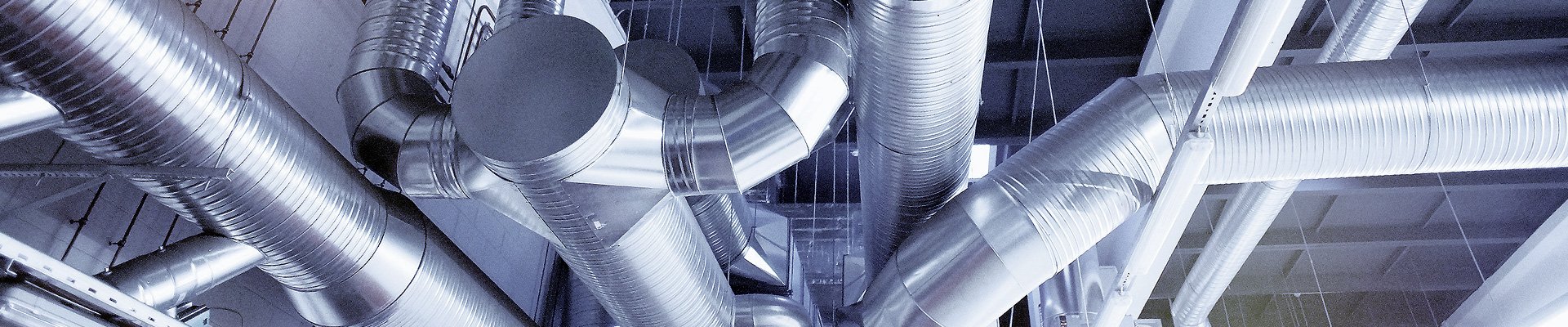
Laboratory ventilation

Whether in the research, industrial, or education sector, controlled ventilation is essential for any laboratory. A networked system of supply air and exhaust air ensures that harmful particles are extracted and air is regularly replenished.
Waldner helps businesses and education institutes correctly plan, install and maintain tailored laboratory ventilation systems. You too can benefit from 30 years’ experience in the field of laboratory control systems using the latest technology from Waldner.
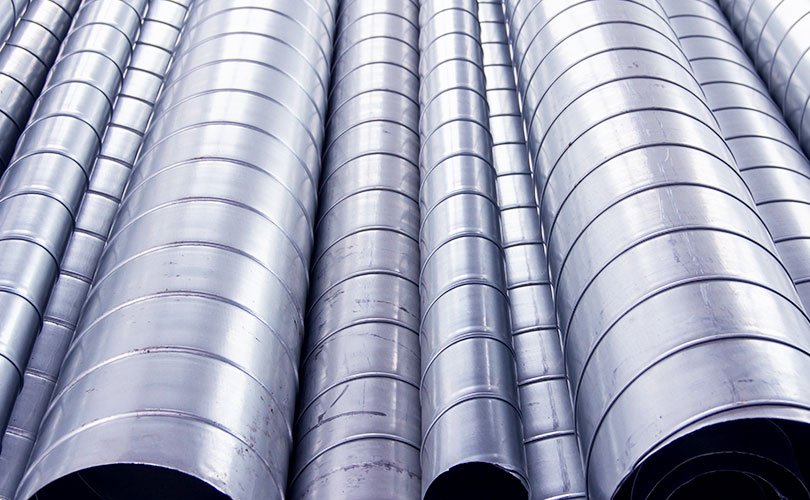
Laboratory ventilation is a highly complex topic. As the market leader in the area of laboratory planning, we have far-reaching expertise in the field. Our services include:
As a full service provider, we can plan and implement an integrated ventilation solution for your laboratory, including suitable laboratory fume hoods, in the shortest time.
Let us work with you to find the best possible ventilation solution for your laboratory.
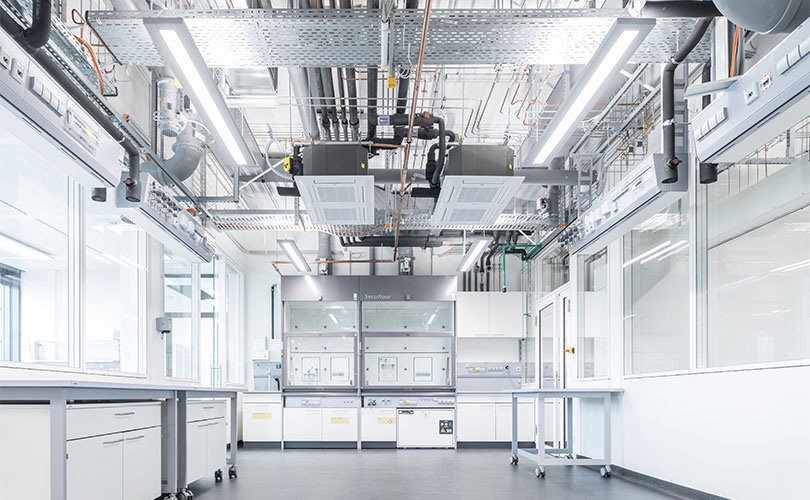
The requirements for laboratory ventilation exceed the requirements for ventilation systems in other rooms. Key points include:
The Waldner Airflow-Controller AC4 is the latest version of our laboratory control system. It delivers a needs-based and energy-optimised air flow while ensuring maximum efficiency in accordance with all standards and legal requirements.
The individual extract air volume of each unit is recorded and converted into an overall air volume while distinguishing between different operating states and maintaining the minimum air exchange. An alarm is automatically triggered if there are any deviations from the target values. This optimal ventilation reduces the required air volumes and maximises energy efficiency.
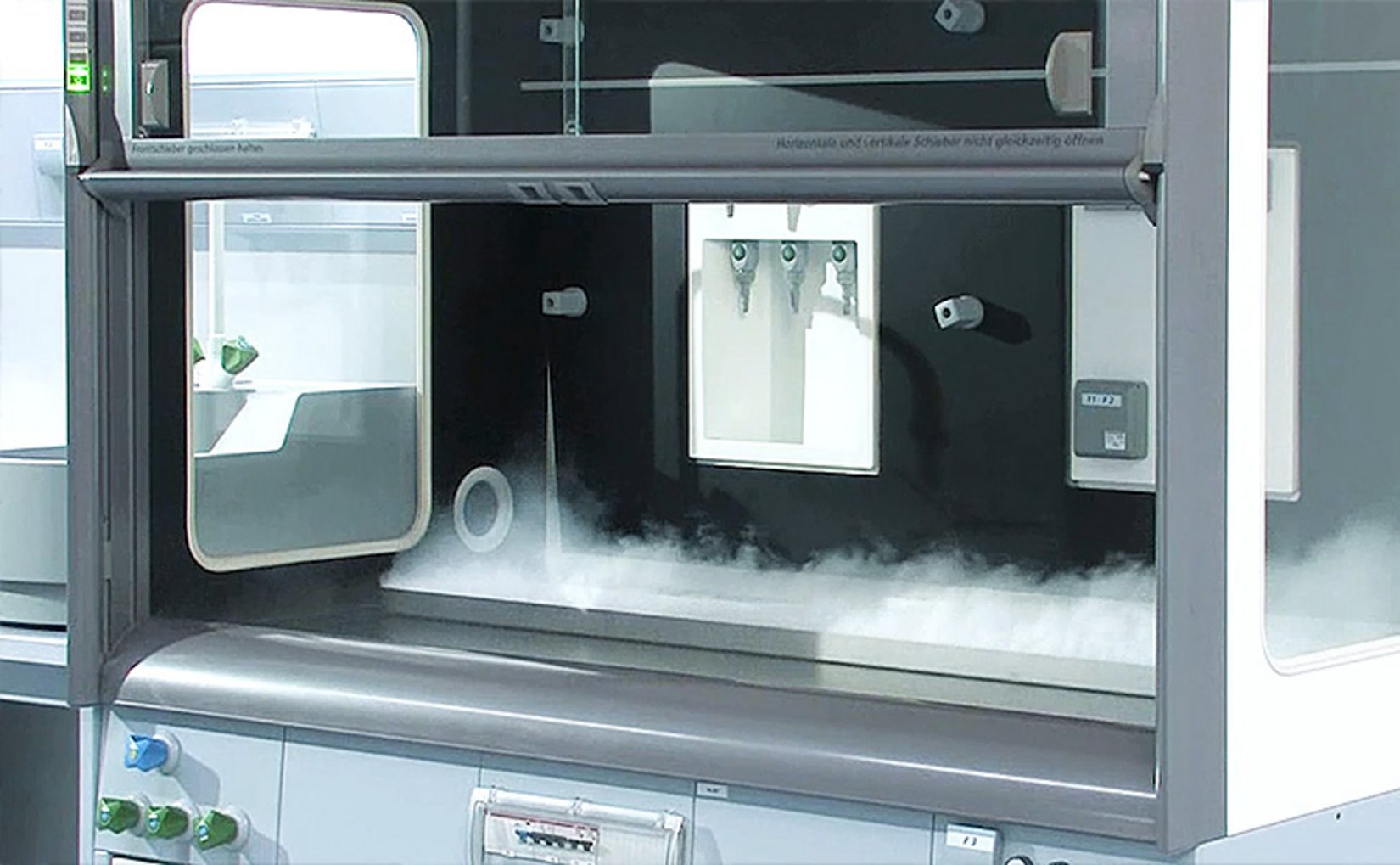
Waldner offers a tailored, total ventilation and control solution for your laboratory, creating a safe environment for your employees and the optimal room climate for trials and applications. We particularly focus on the following areas:
Ventilation in laboratories is subject to various legal guidelines. These are intended to guarantee the safety of the employees, as well as that of the entire building. Below, you will find examples of important international regulations:
In Germany, the DIN standard 1946-7 is an important factor for planning ventilation in laboratories. According to this standard, ventilation systems in laboratories must fulfil three tasks:
Ventilation design must be based on a careful risk assessment.
The guidelines of the CEN (Comité Européen de Normalisation, European Committee for Standardisation) play an important role in the European Union. The CEN/TS 17441 standard discusses the specifications and safety precautions for ventilation systems in laboratories.
ANSI/ASSP Z9.5-2022 is an American national standard that provides guidelines and establishes minimum requirements for the design, maintenance, and operation of ventilation systems in laboratories. The primary focus of this standard is to ensure the safety of personnel working in laboratories by protecting them from harmful or potentially harmful airborne contaminants.
Note: The guidelines mentioned above are of course only selected examples. No matter where your laboratory is located, our experts are familiar with the country-specific requirements!
This largely depends on how the laboratory is used and, consequently, the risk assessment. As a guideline for general laboratory use, the extraction volume of the air flow should be 25 m³/h for each square metre of laboratory space. For a room with a height of 3 metres, this corresponds to an 8‑fold air exchange per hour in the laboratory.
The air exchange rate can be reduced if “the risk assessment shows that this measure is sufficient and effective in the long-term for the intended activities.” (DGUV Information 213-850, p. 146). Equally, it may be necessary to increase the air exchange in the laboratory, as in the case of “stink rooms” for example.
As the laboratory planning expert, we are your go-to partner for all aspects of building technology in laboratories. And that includes laboratory ventilation. We will discuss any special requirements that your ventilation system needs to meet and will ensure that it meets all legal guidelines.
We will then plan a tailored laboratory ventilation system that best supports the working processes in your laboratory spaces and ensure its professional design and installation. Naturally, we continue to provide post-installation support, taking care for example of system maintenance.
In laboratories with large extract air volumes, much thermal energy may be lost. In such cases, it is sometimes expedient to use the heat of the extract air to heat up the fresh supply air. This can save energy and costs. This is precisely what happens in a ventilation system with heat recovery.
First, the air exchange must be precisely regulated in such a way that all safety requirements are met, but also such that no unnecessary ventilation takes place. This is achieved, for example, by automatically adjusting the extract air volume to the changing conditions in the laboratory. It is also important to minimise the escape of hazardous material – for example through hermetically sealed caps on laboratory bottles – so that the risk assessment allows minimal air exchange overall.
Waldner is also on hand to maintain and service your ventilation systems. Our experts will service your fume hoods, check the settings of the monitoring and control components, and check the extraction units. Thus, we ensure the safety of your employees and all legal requirements are met.
You might also be interested in


