Isolator: Pharmaceuticals, laboratories and more
Process & Automation Solutions

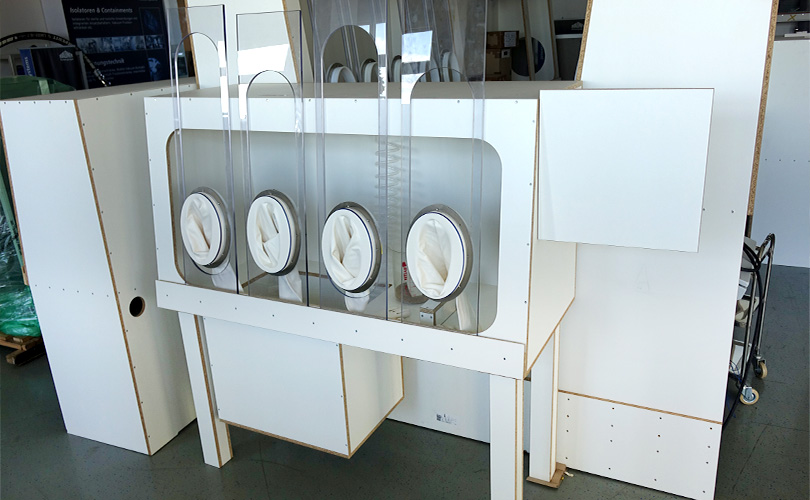
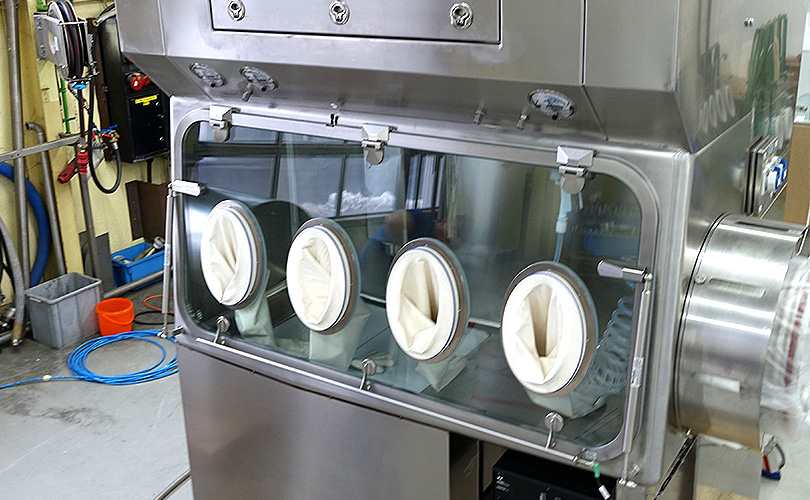
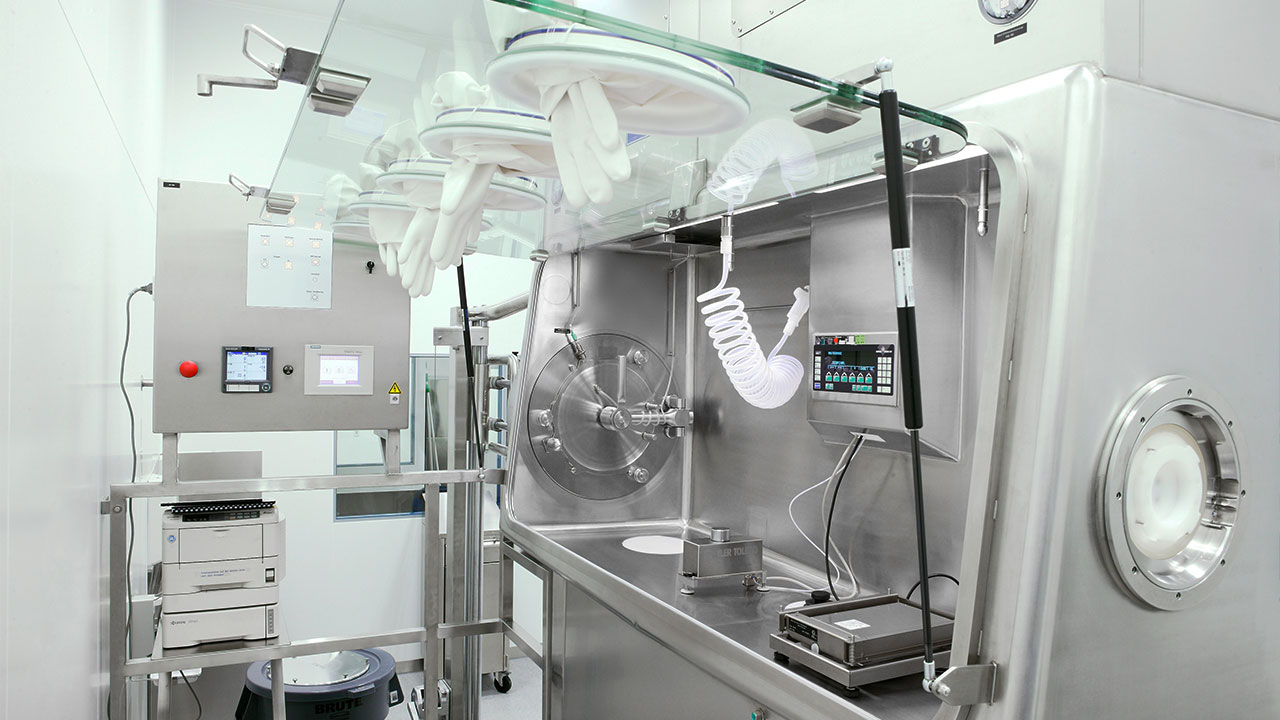
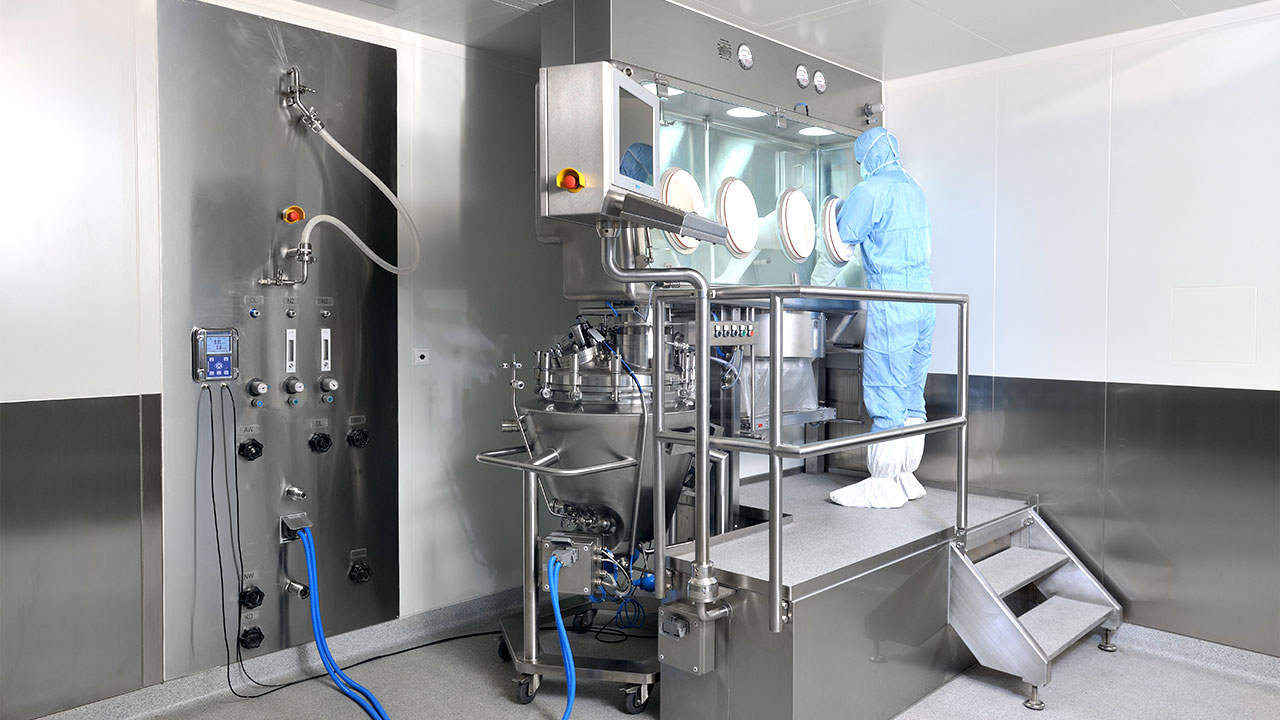
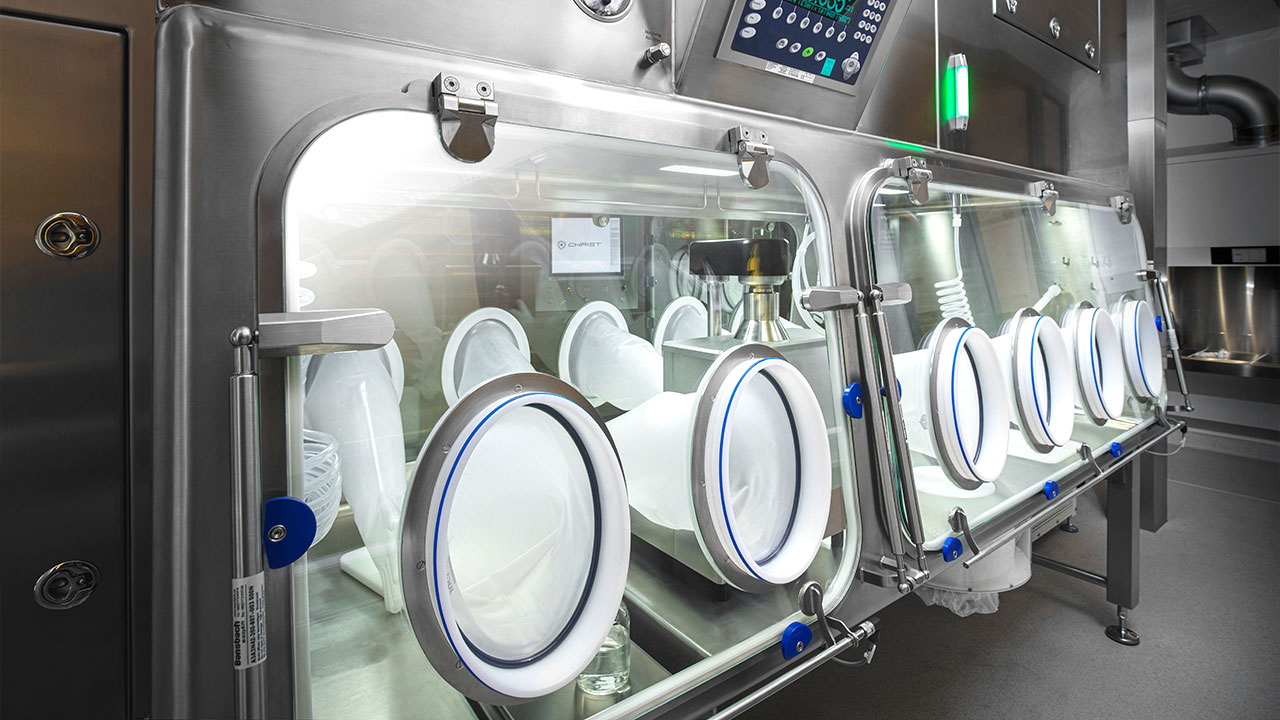
Isolators are used as closed barrier systems offering maximum operator and product safety wherever highly active substances are processed or sterile products need to be protected from the environment. To protect both the substances and the operators, it is important to rely on first-class isolator technology that also allows you to work with sterile, highly effective or toxic substances.
Quality, safety and ergonomics are our top priorities for our isolators for pharmaceuticals, laboratories and other applications. We design, simulate and manufacture your unique Waldner isolator tailored precisely to your process. Our standards go beyond mere standard solutions. Our experience shows that only customised solutions can meet all the requirements of your manufacturing process.
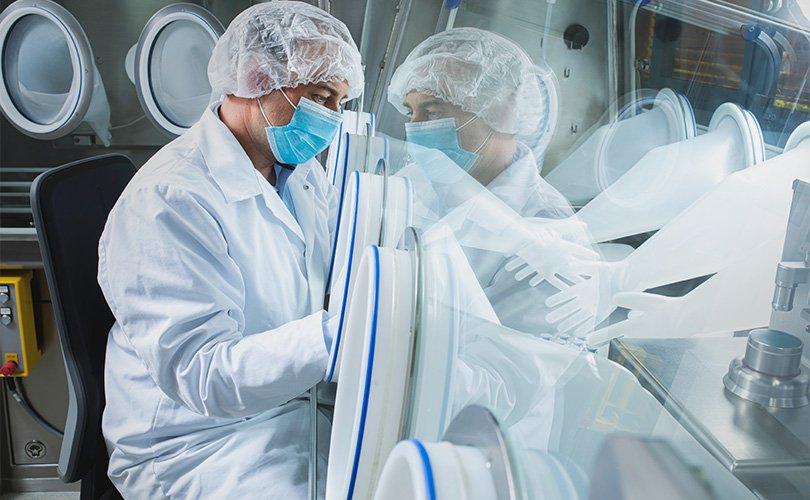
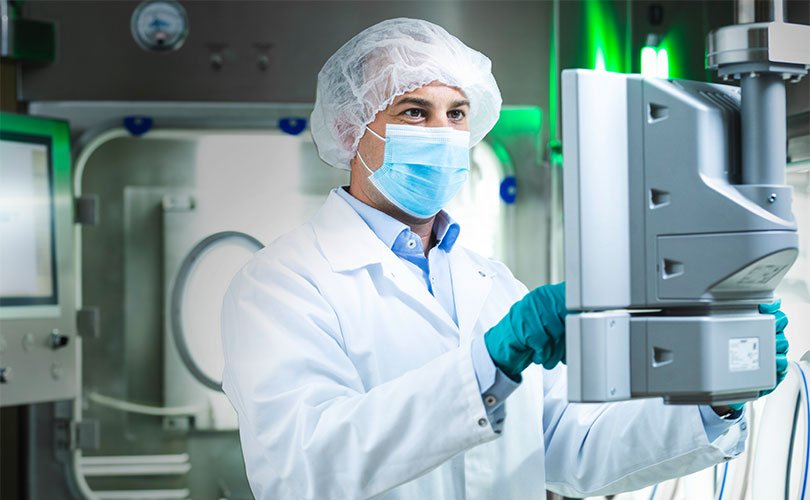
The pharmaceutical, chemical and biotechnology industries work with hazardous substances that can be harmful to humans and the environment. A closed system is therefore essential to prevent the release of dangerous substances. Containment isolators, which are specially designed to protect employees and the environment, are used for this purpose.
In addition, sensitive substances must of course also be protected. Our pharmaceutical isolators master this task with ease. They form a secure physical barrier between the product and the environment and ensure that the substances are not contaminated. Unlike RABS (Restricted Access Barrier Systems), isolators guarantee maximum safety and sterility.
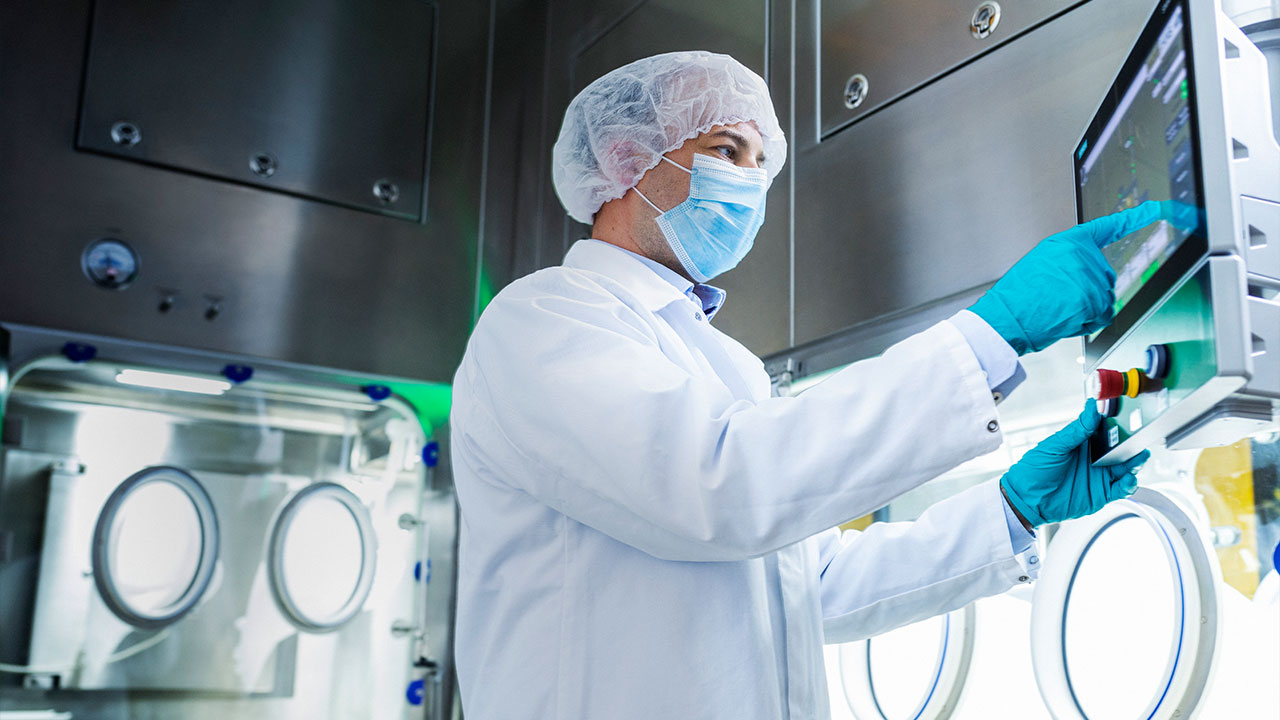
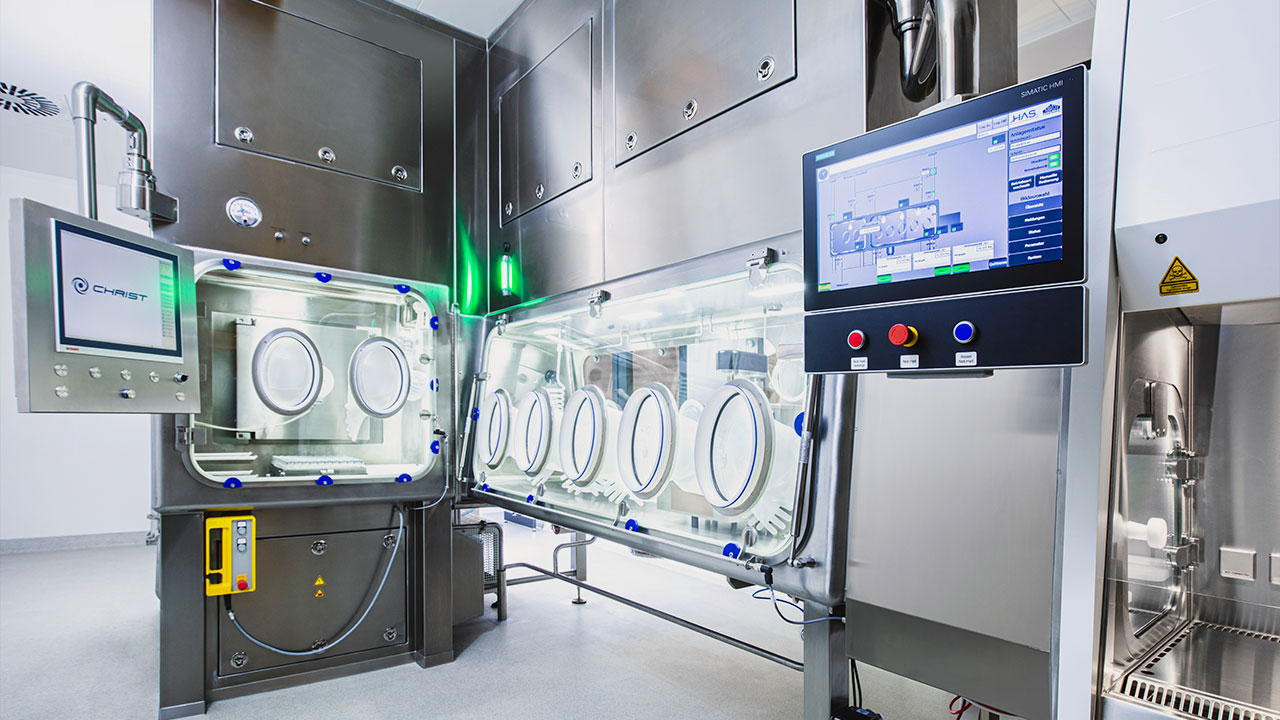
Our isolators for pharmaceuticals and other industries are characterised by the seamless integration of all process technology components. They are primarily equipped with a Siemens S7 control system. Alternatively, control can be implemented via an industrial PC (IPC) or, for example, a customer-supplied system.
We generally use H14 push-push filters for the ventilation system. For EX requirements or oxygen-sensitive products, the isolator can be operated completely inert with a nitrogen atmosphere. In addition, our isolators can be equipped with an ASIP airborne germ monitoring system, which means that neither the airborne germ collector nor the measuring tube can cause contamination.
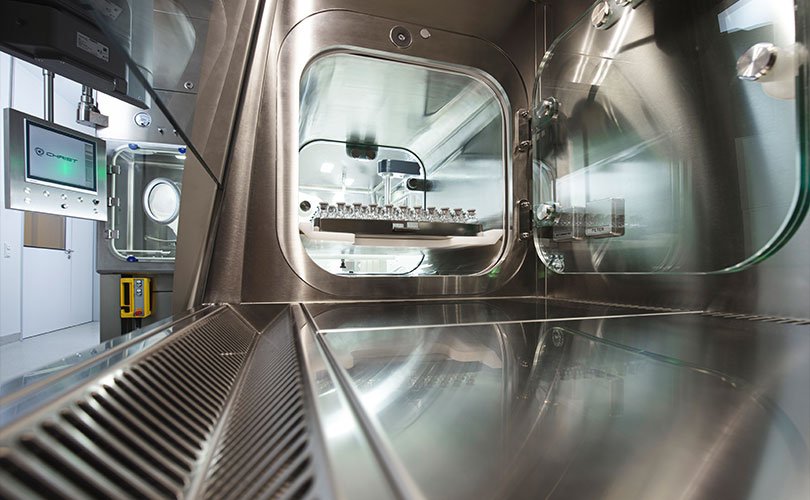
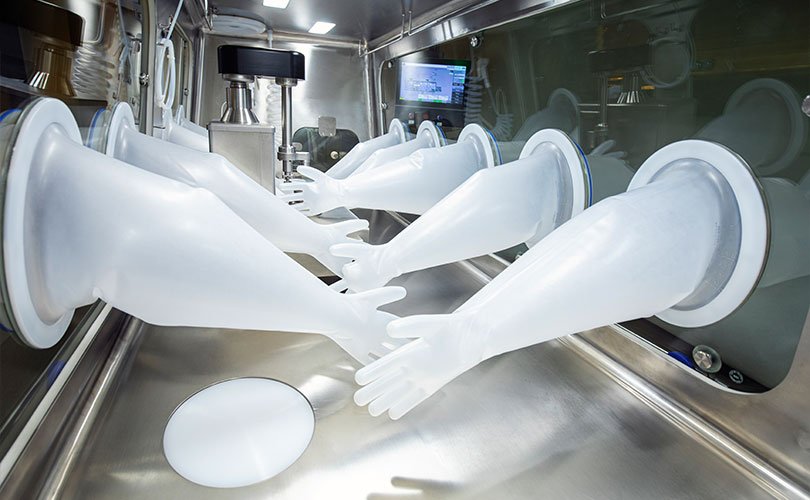
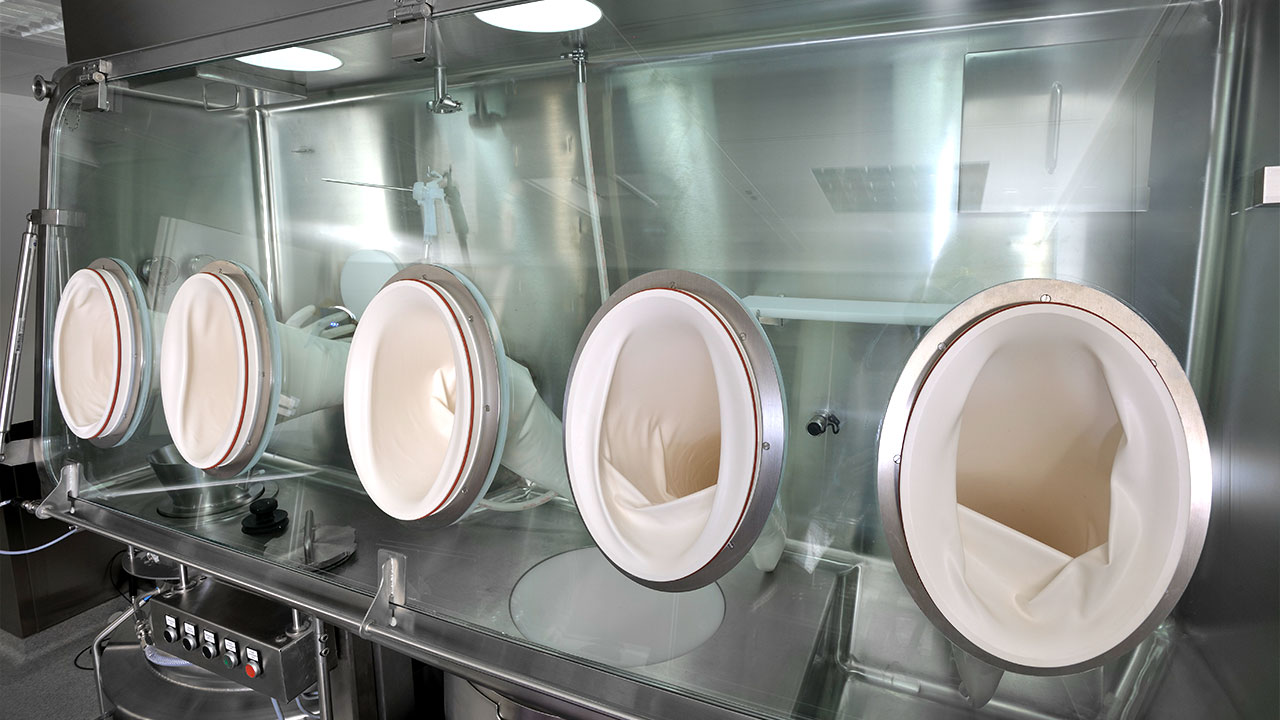
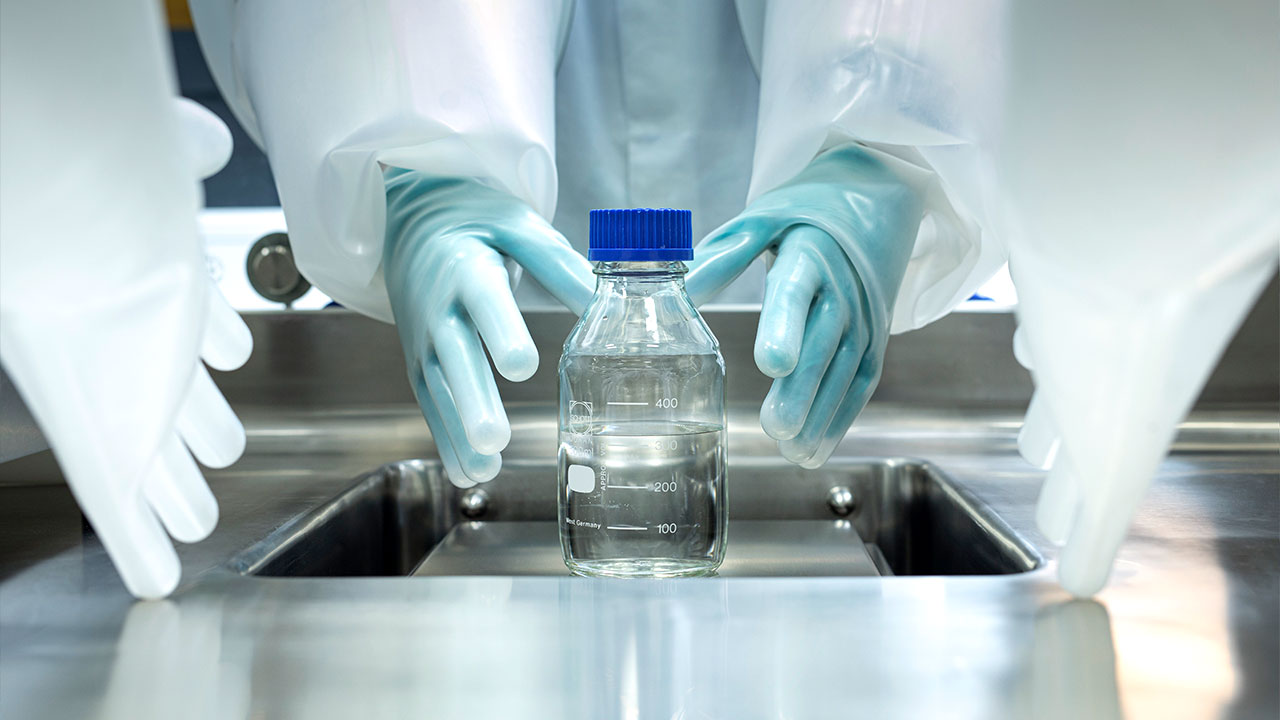
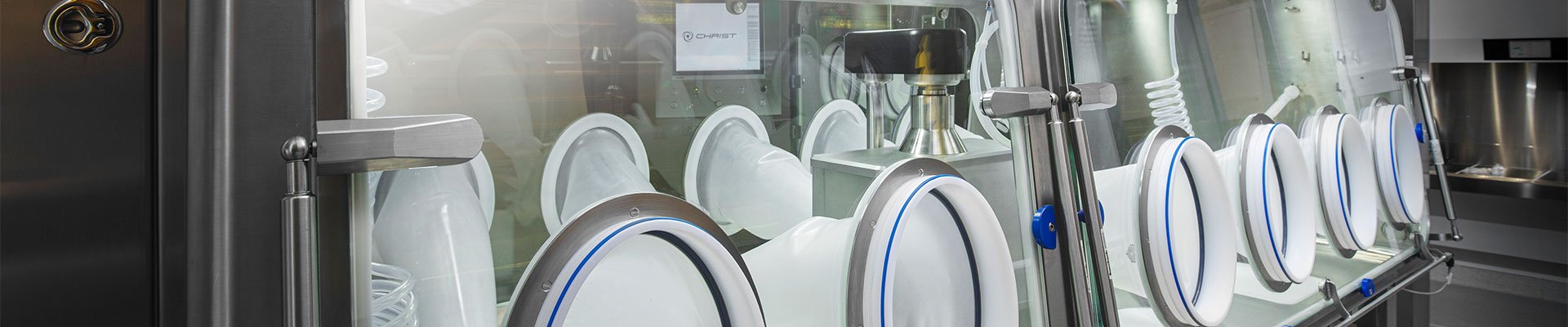
Gloves are the Achilles heel of isolators and gloveboxes. We supply a range of different glove testing equipment to regularly test their air-tightness: From manual test discs with analogue pressure gauges, fully automatic glove test discs with integrated battery and control, to Wi-fi-supported test systems that can be fully integrated into your system control..
Variants of our isolators
The (containment) isolator must be designed to be as diverse as the areas of application in order to be as efficient as possible. That is why we manufacture various versions that are always tailored to the individual project.
In order to weigh active ingredients under optimal conditions, we integrate different types of scales into our pharmaceutical isolators – depending on customer requirements.
For highly precise weighing accuracy, a decoupled weighing plate (granite stone) can be integrated into the isolator, on which we place the scale. It can also be integrated into the isolator at floor level to avoid lifting loads in the isolator.
For wet cleaning or decontamination, many scales have a washdown mode or appropriate IP protection.
There are numerous ways to connect a container to an isolator: we tailor our approach to your specifications. From welded containers to mobile containers with double flaps to disposable containers, we can connect all systems to our containment isolators.
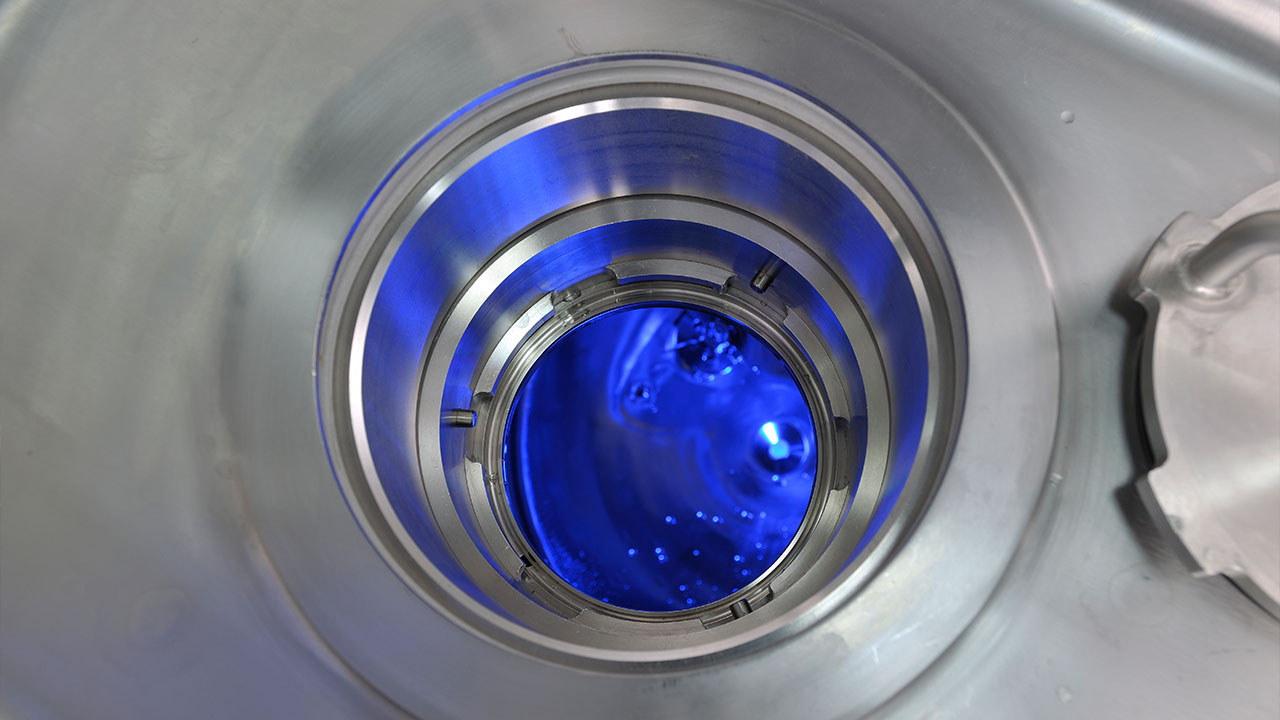
Our Waldner docking system is recommended for docking a mobile pressure vessel. This system is pressure-resistant up to 6 bar, allowing the container to be docked and undocked without contamination. Further advantages are:
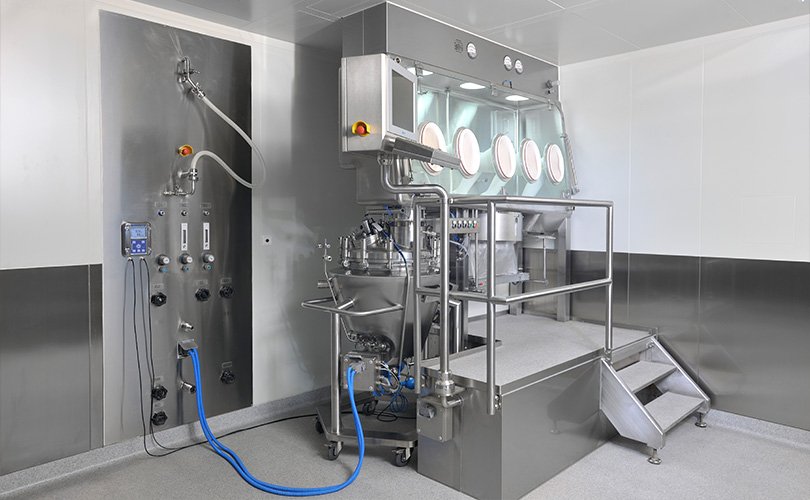
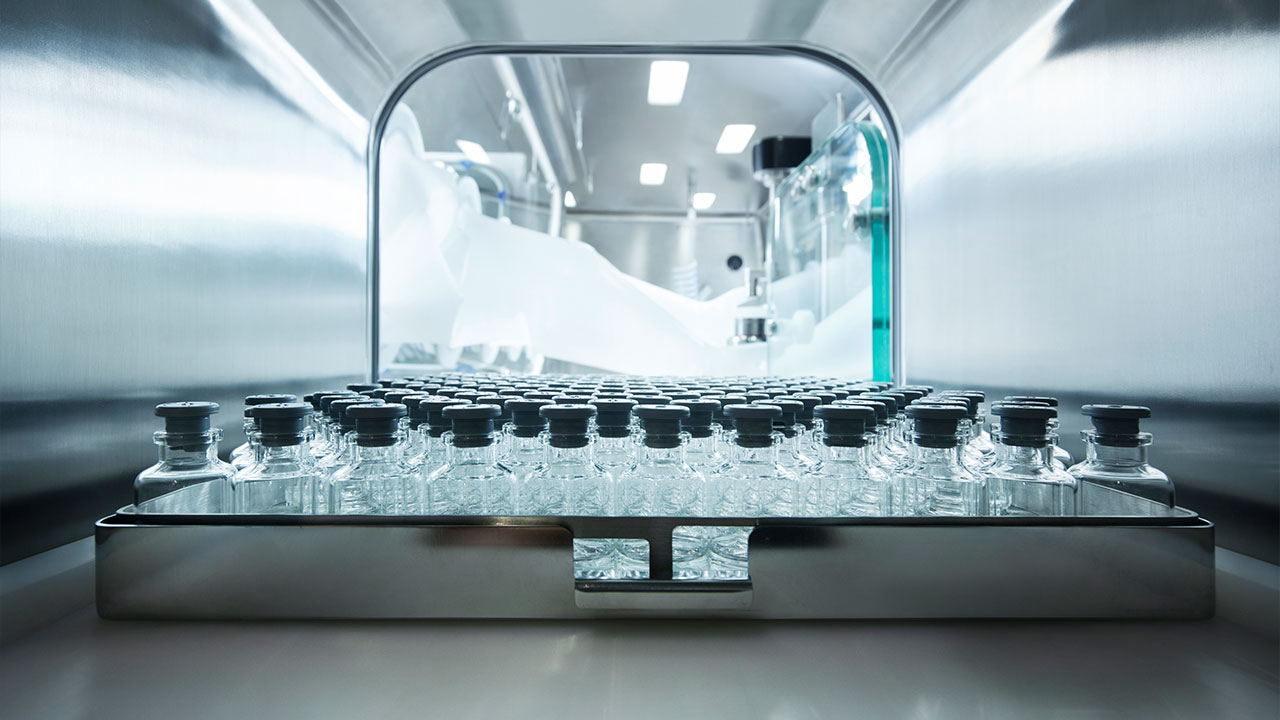
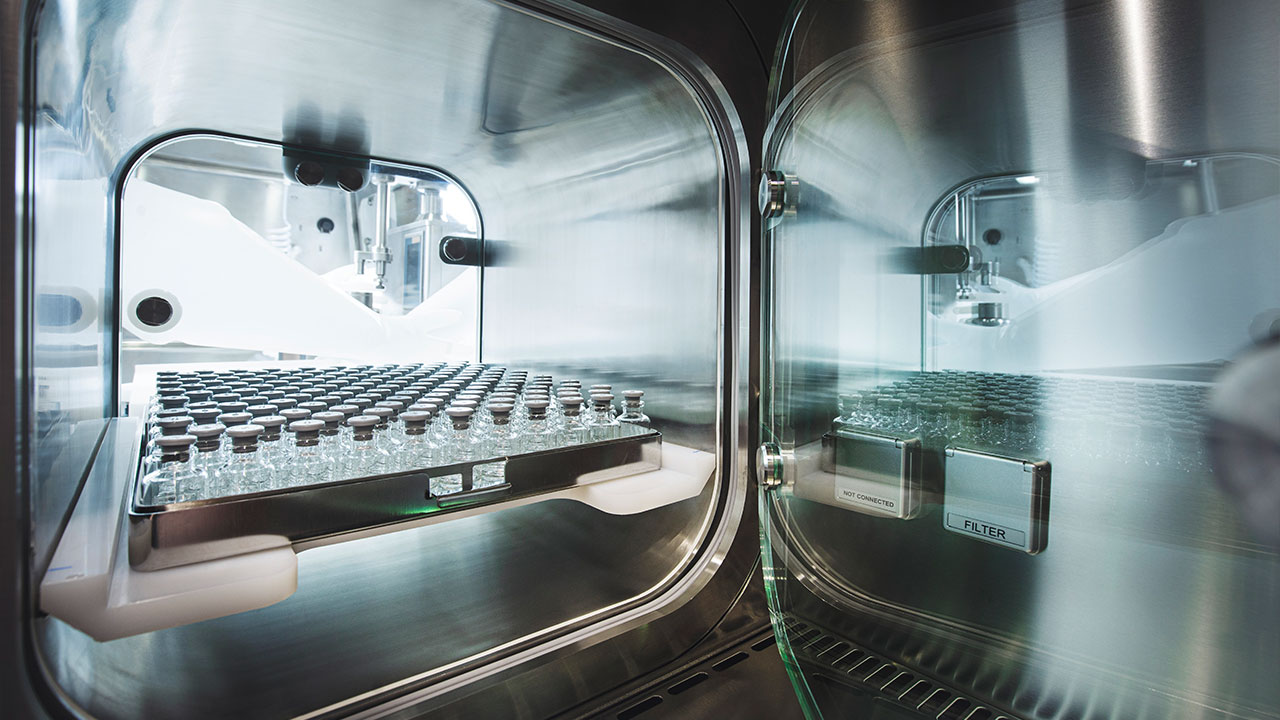
The pharmaceutical and biotechnology sectors often require sterile work areas in which aseptic and/or toxic filling processes can be carried out safely. This calls for isolators equipped with the appropriate integrations, such as air locks or special air treatment systems. They must also meet the highest safety standards in order to protect the product, operators and the environment.
With IPK isolators, a large number of devices usually have to be integrated into the pharmaceutical isolator. It is often possible to place device components outside the isolator to facilitate cleaning of the interior. It is important here to ensure that cables and lines are tightly sealed when passing from the outside into the interior of the isolator.
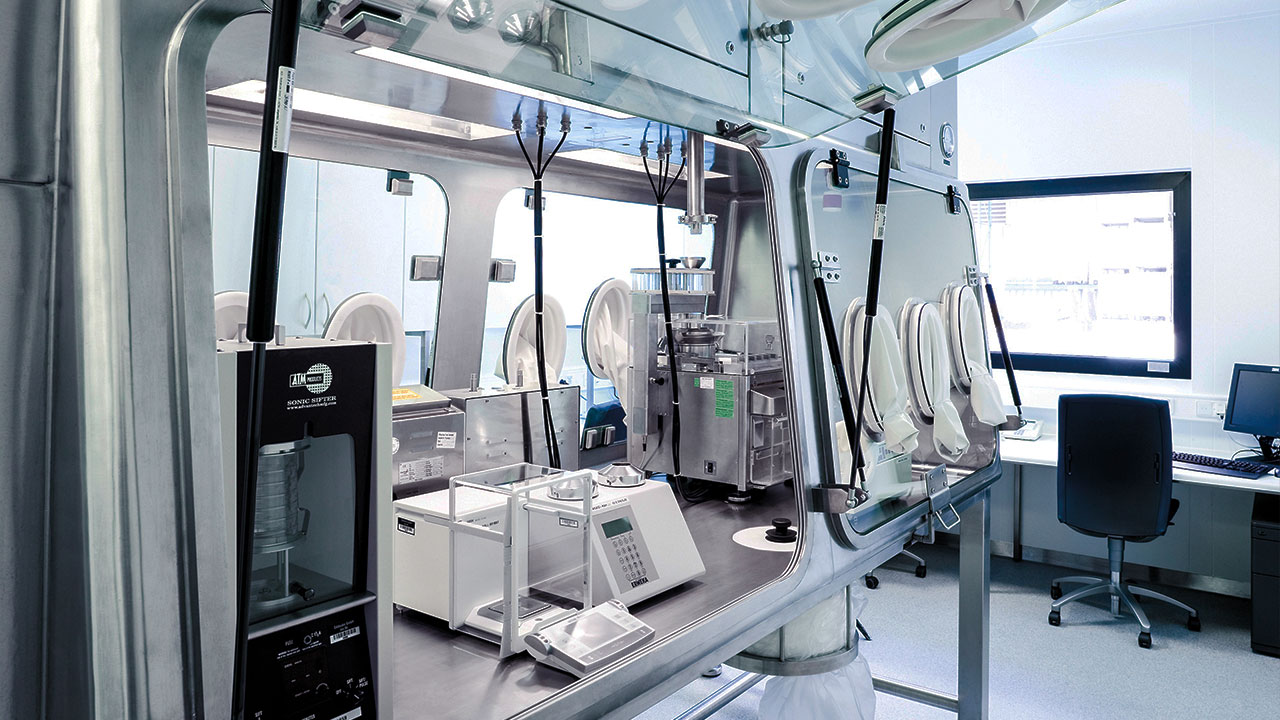
Containment isolators are also used in laboratories. These mainly serve to protect operators during various development and analysis work in the laboratory isolator. A wide variety of laboratory and analysis equipment can be integrated to ensure smooth operation.
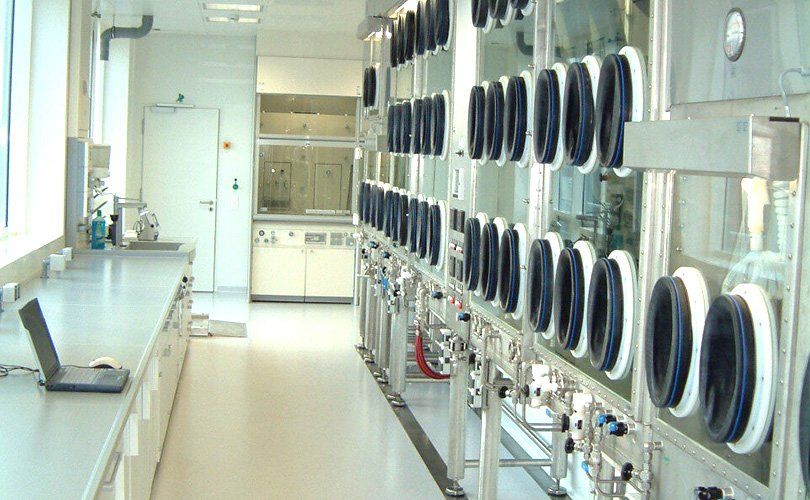
Isolators for glass reactors are usually designed to be particularly tall, as they require frequent glove access. All areas of the system must be as accessible as possible so that the system can be dismantled or converted, e.g. for cleaning.
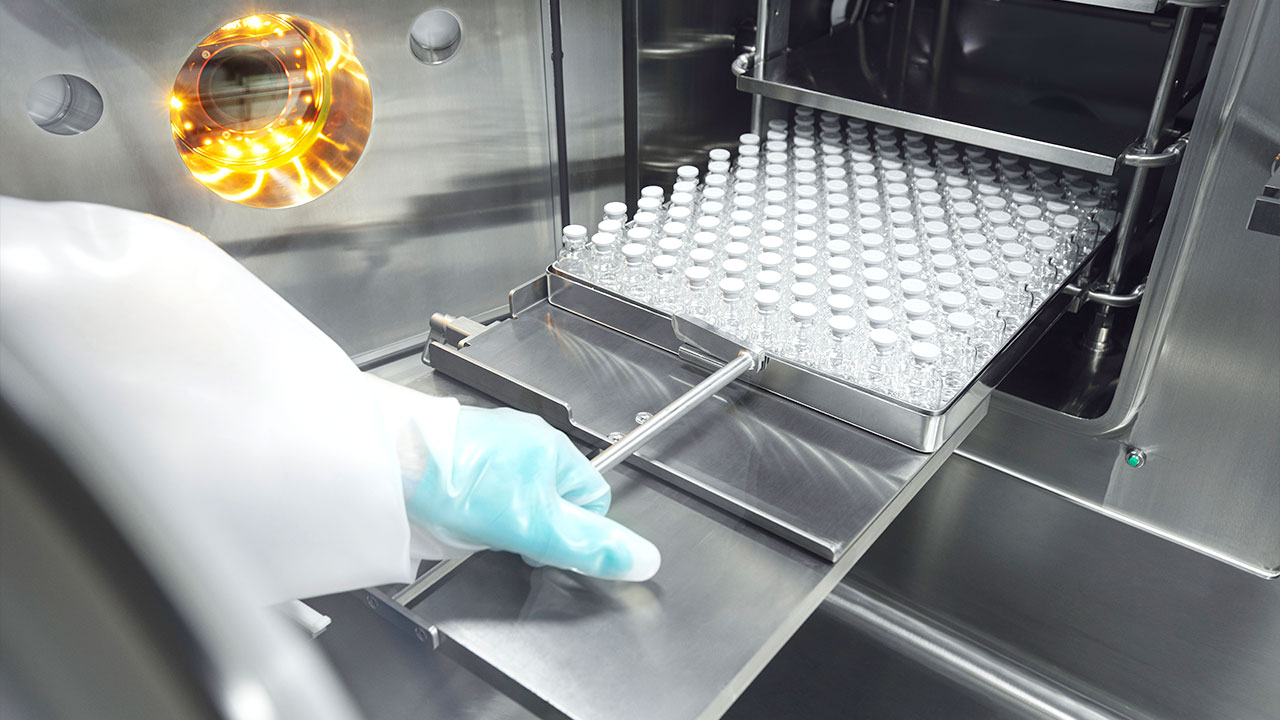
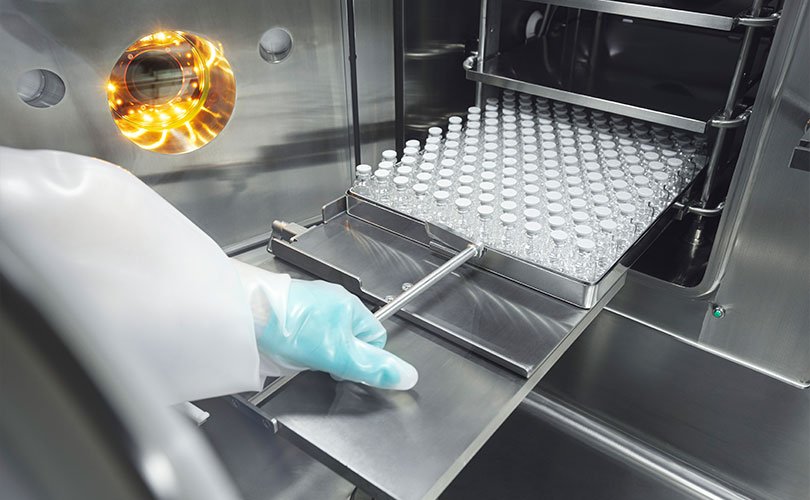
Integration into an isolator allows the operator to transfer the open vials into the freeze dryer via glove ports and an automated loading table.
The vials are transferred via a double transfer system. A safety cabinet forms the first transfer chamber, while the second transfer chamber is attached to the pharmaceutical isolator and can be operated from both the safety cabinet and the isolator. A special safety control system ensures that only one door of the transfer chamber can be opened at a time (interlock).
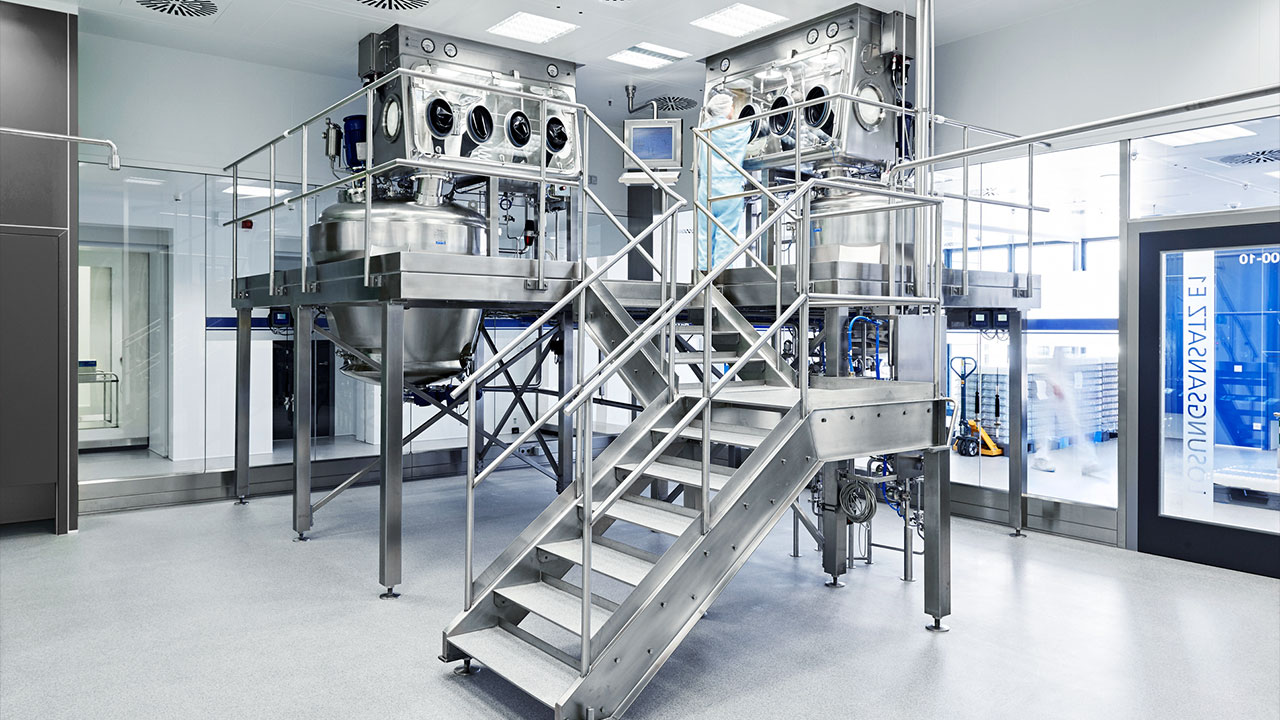
This type of isolator is used when large volumes of a product are to be fed or transferred into a container and/or reactor. Fast and contamination-free docking and undocking of the drums is crucial here.
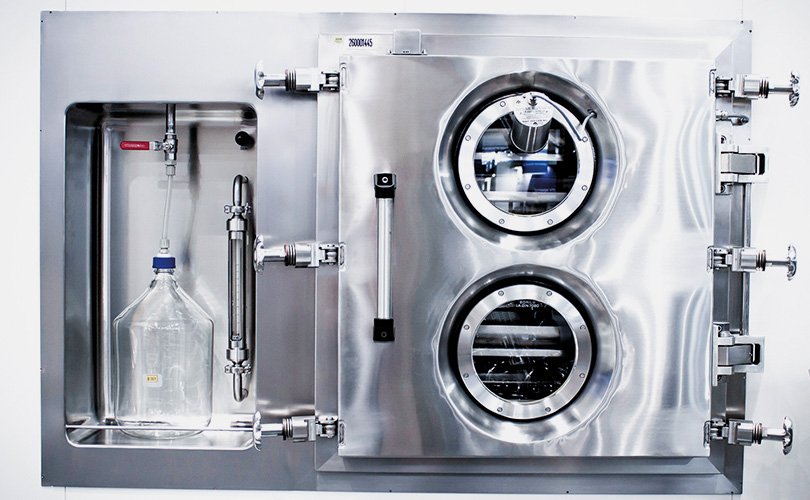
We can offer you both isolators and vacuum drying cabinets from our own production. Both elements can be optimally combined with each other, as the vacuum drying cabinet can be seamlessly integrated into the isolator. Thanks to the special door mechanism, the door in the isolator can be opened easily, even with a large drying cabinet.
Dust can escape when grinding potentially dangerous products. The screen mill can be integrated in an isolator to protect the operator as best as possible. The products can be fed in and out through material lock chambers or an endless liner system, thus offering maximum safety.
For the production of tablets containing highly active substances, a fluid bed granulator, a rapid mixer and a sieve mill, for example, can be integrated into the pharmaceutical isolator. Your individual requirements are decisive here.
Get in touch and benefit from over 30 years of experience.
You might also be interested in