LOWER ENERGY CONSUMPTION
Greater efficiency for climate protection and cost-effectiveness.

Climate change is presenting new challenges for companies around the world. At the same time, requirements for energy efficiency and responsible emissions management are increasing. We are working to continuously reduce the energy consumption of our products, processes, and facilities.
Where the greatest leverage lies

In doing so, we consider the entire life cycle of our solutions. After all, the greatest impact on our carbon footprint does not come from production, but from the use of our products in our customers’ daily lives. That is precisely where we see the greatest opportunity to save energy, lower operating costs, and reduce emissions.

Energy efficiency means climate protection not only for us, but also for our customers. Lower energy consumption can reduce operating costs, conserve resources, and help companies achieve their own climate goals.

Pie Chart Showing Usage Phases (Graph)
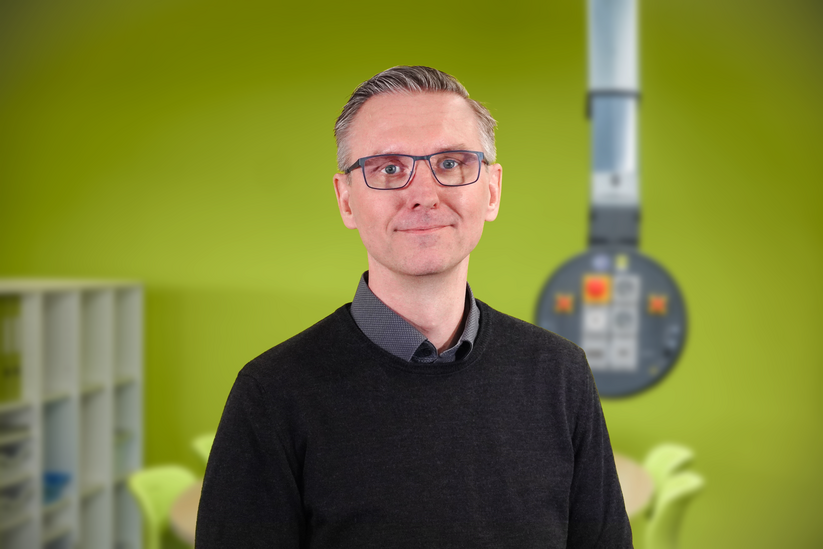
Marcin Moscicki

“In my view, sustainability is only effective when it is concretely incorporated into products and processes—in other words, not just talking about it, but implementing real change.”

Marcin Moscicki, Green Pioneer Education

100% Green Electricity

At our Allgäu site in Wangen, 100% of our electricity supply has already been switched to green power (compared to 92.6% nationwide in Germany). Our goal is to continuously increase the share of renewable energy in our total energy consumption.

Energy-Efficient Solutions for Our Customers

Because the operational phase is the deciding factor, we develop product generations with demonstrably lower energy consumption—and modernize existing systems instead of replacing them. On average, laboratories consume ten times more energy than office spaces; a single laboratory fume hood uses about as much energy annually as a single-family home.

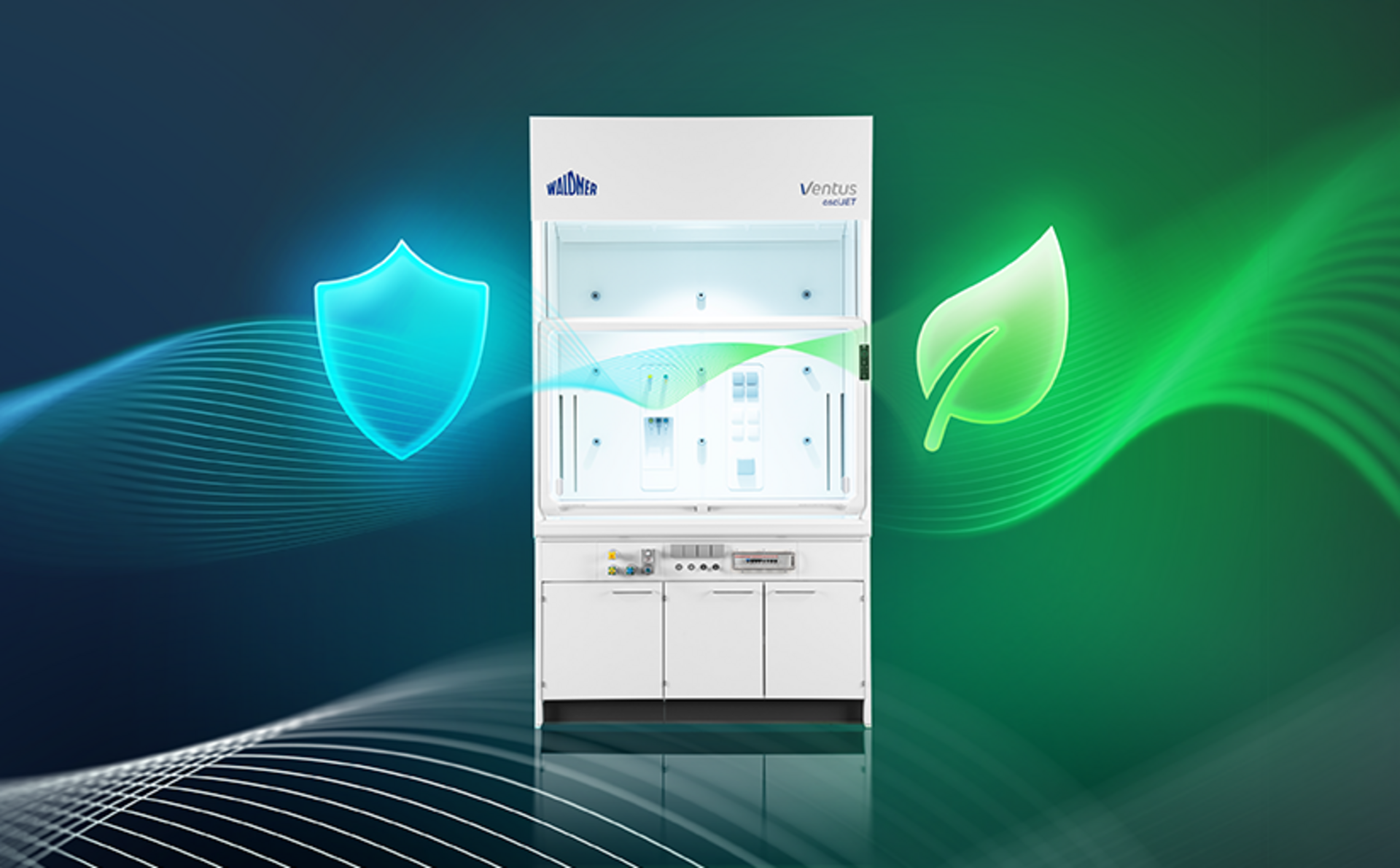
Ventus osciJET

Ventus osciJET

The Ventus osciJET is a new generation of laboratory fume hoods. Thanks to its oscillating airflow, energy consumption can be reduced by about 20% compared to the previous generation.

In internal tests, contaminants were removed three times faster while backdrafts were reduced. External validation is scheduled to be completed by the end of 2027.

Learn more
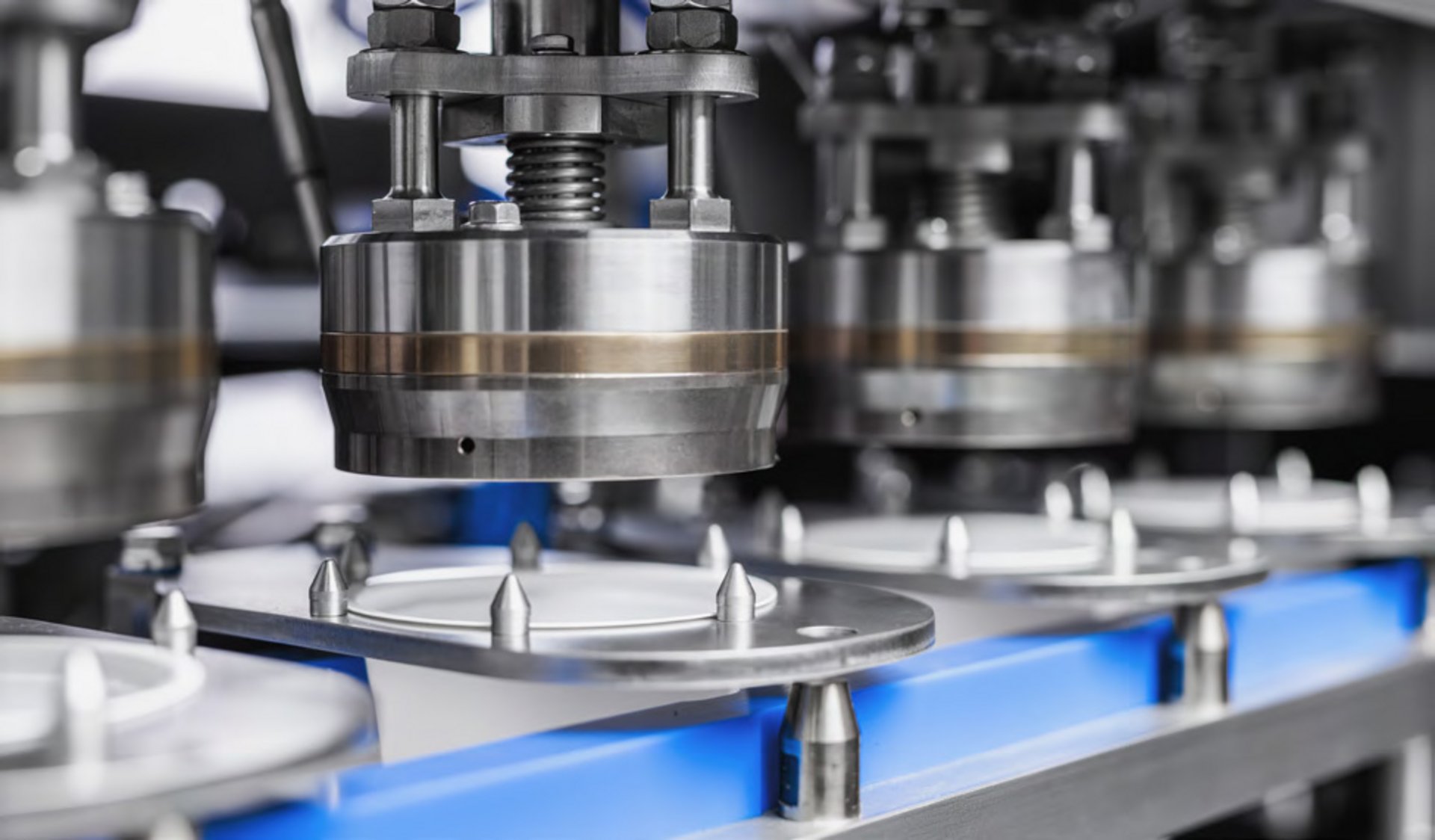
DOSOMAT Move Cutout Filling

DOSOMAT move

DeThe DOSOMAT move is a new generation of filling, capping, and packaging machines. Energy-efficient drive technology, energy recovery, and reduced maintenance requirements can—depending on the application profile—reduce energy and material consumption.

The “No-Cup-No-Fill” principle prevents product loss. In all new DOSOMAT machines, a standby mode reduces energy consumption by more than 50% when the machine is idle.

Learn more
Laboratory Renovations

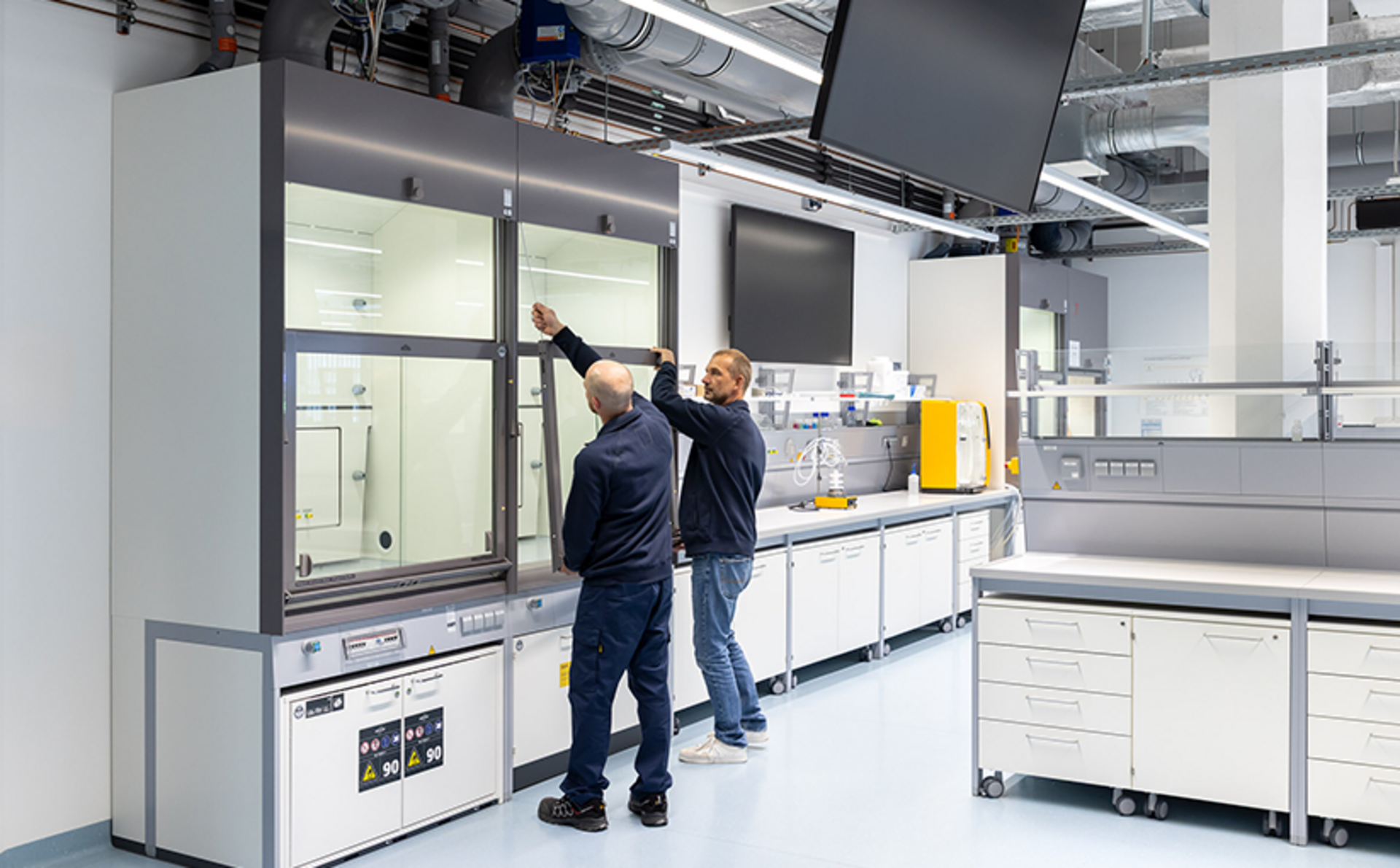
Laboratory Retrofit

Retrofit makes existing laboratory fume hoods and HVAC systems more efficient without the need to purchase new equipment.

The key factor is demand-based airflow control. Through nighttime temperature reduction, window sensors, motion detectors, and interval control, operating cost savings of up to 44% are possible—depending on the initial conditions and operating profile.

Learn more
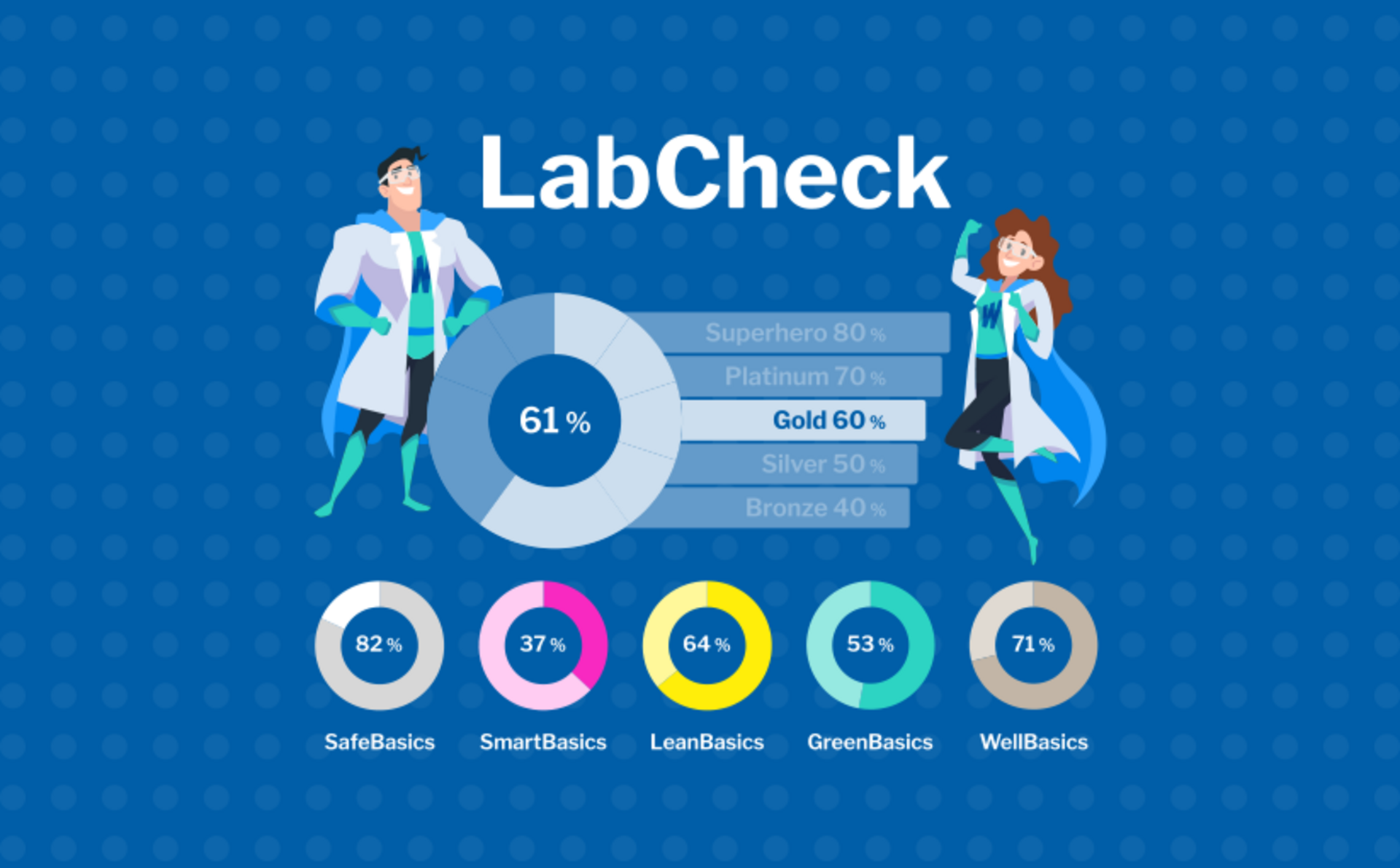
LabCheck Chart: Waldner Performance Index

LabCheck

LabCheck determines a laboratory’s individual WALDNER Performance Index in just a few minutes. It evaluates safety standards, digitization, processes and throughput, energy efficiency, and the work environment.

The result is a report that allows for comparison with laboratories worldwide and identifies specific areas for improvement to achieve more efficient operations.

Learn more

Our Goals

Net-Zero by 2045—this means we are a company that, on balance, no longer has a negative impact on the climate. To achieve this, we avoid as many greenhouse gases as possible and offset the remaining emissions elsewhere.

As part of our sustainability strategy, we aim to achieve net-zero emissions across our entire value chain by 2045. To this end, we systematically track our emissions and develop concrete measures to reduce greenhouse gases. Our CO₂ footprint serves as the basis for measuring and managing our progress.

Key areas of focus include:

  • the development of energy-efficient products
  • the reduction of emissions at our sites
  • the further development of sustainable materials
  • the continuous improvement of energy and resource efficiency

Heating with wood chips from our own production

The Wangen facility is partially heated with wood chips from our own furniture production. Production scraps are thus turned into a heat source. The next step is to reduce the use of fossil fuels for heating and to gradually electrify our vehicle fleet.

Back to top