Resources and the Circular Economy

CONSERVING RESOURCES AND THINKING AHEAD ABOUT MATERIALS.
CLIMATE PROTECTION ALONG THE VALUE CHAIN.
Steel, aluminum, wood, and plastics form the foundation of our solutions. We are working to continuously improve our use of materials and to combine resource efficiency with the high quality and safety standards of our products. Approximately 25% of our total emissions result solely from the procurement and processing of these materials—in fiscal year 2024/25, this amounted to 34,568 metric tons of CO₂ equivalents.
We are examining how the use of recycled raw materials can be further expanded in the future and which resource-conserving alternatives are viable for steel, aluminum, or plastics. Key considerations include:
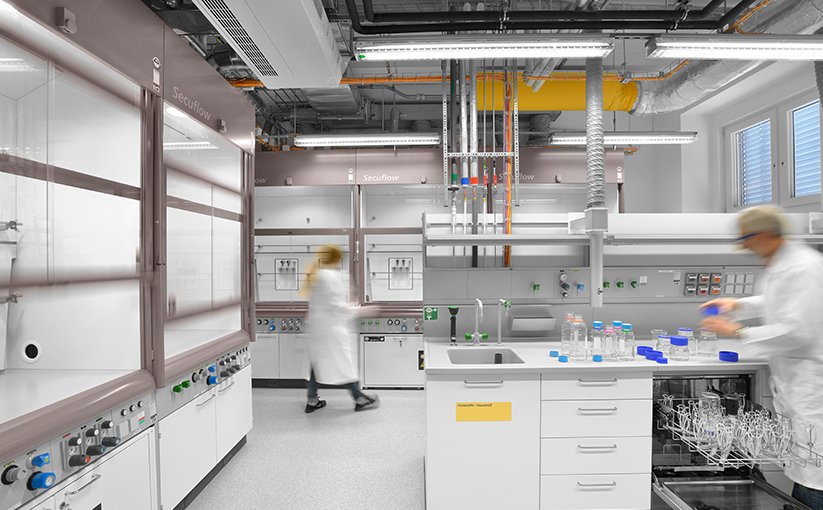
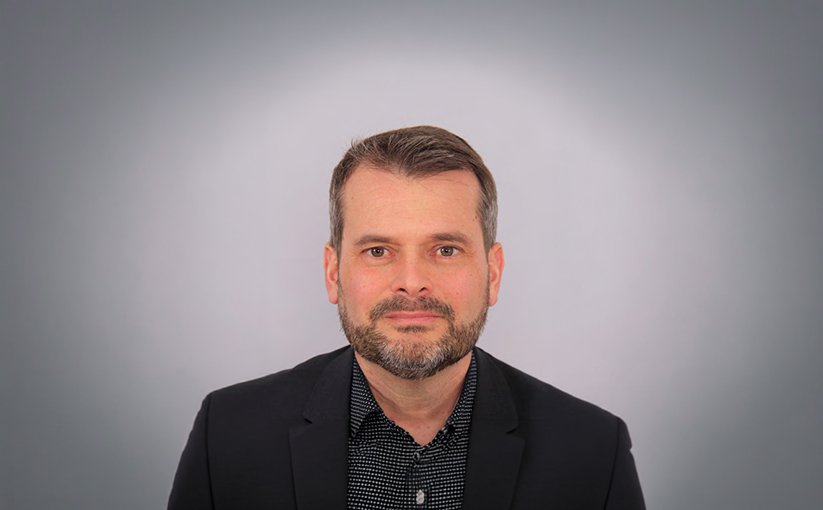
“New products do not have to be made entirely of single-source materials. Recycled materials usually serve the same purpose—and conserve resources.”
Herbert Scherer, Green Pioneer, Lab Space SolutionsThe circular economy begins with the development of new products. At WALDNER, we therefore focus on using materials as efficiently as possible, creating durable designs, and developing solutions that can be operated economically over the long term. Where possible, we reduce the use of complex composite materials and explore opportunities to save materials. In this way, we lay the foundation for resource-efficient product development that meets the demands of both today and tomorrow.
Sustainable management does not always mean replacing existing solutions. Often, the greater value lies in using existing systems, facilities, or laboratories for longer. By modernizing existing facilities, resources can be conserved, investments protected, and existing infrastructure utilized over the long term.
We aim to keep raw materials in the cycle for as long as possible and gradually reduce the use of primary materials. This is based on reliable material data and close collaboration with our suppliers.